Reviewing Leaf Border with Cut Work for Gifts
As an embroidery designer who spends more time at the hoop than away from it, I am always on the lookout for designs that bridge the gap between technical precision and emotional warmth. When I recently loaded the Leaf Border with Cut Work into my software to test for a upcoming line of personalized gifts, I was immediately struck by its versatility. This is not just another decorative element; it is a statement piece that transforms ordinary textiles into cherished keepsakes. For Etsy sellers, small shop owners, and crafters looking to elevate their product offerings, understanding how this specific design performs in real-world applications is crucial.
First Impressions: Elegance Meets Handmade Charm
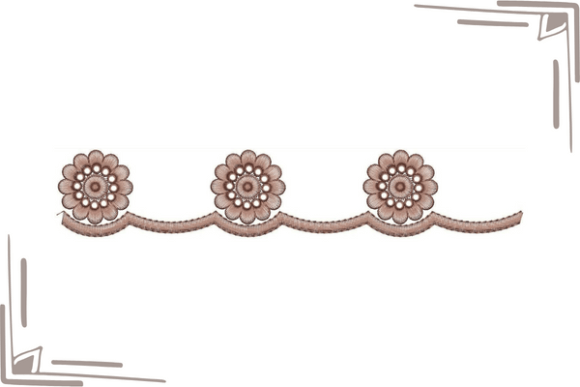
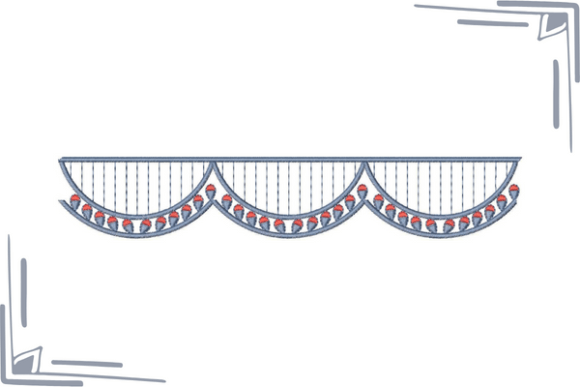
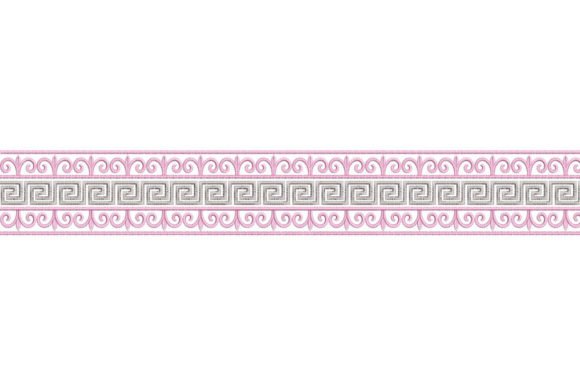
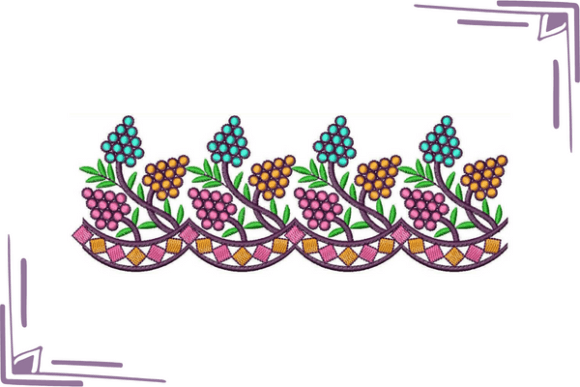
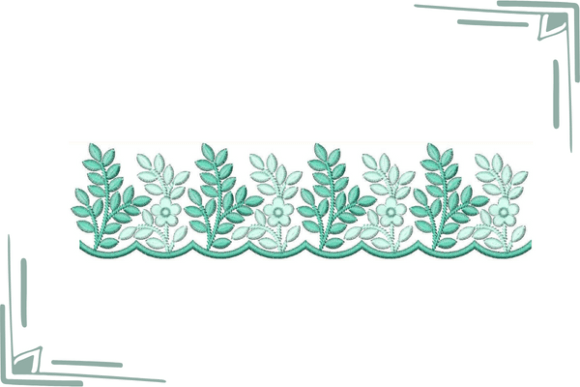
The first thing you notice about the Leaf Border with Cut Work is its delicate balance. It feels both classic and modern, avoiding the overly ornate traps that can make embroidery look dated. The cut work elements add a layer of sophistication that mimics high-end heirloom linens, while the leaf motifs bring a touch of nature’s softness. It is elegant without being stiff, and playful without being childish. This mood makes it incredibly adaptable. Whether you are aiming for a romantic wedding aesthetic or a fresh, spring-like vibe for nursery decor, this design sets the right tone immediately.
For a designer, the visual appeal is only half the battle. The other half is execution. The design promises to be beautifully embroidered on any fabric, but as we know, "any fabric" requires careful preparation. The interplay between the solid stitching and the open cut work areas creates a beautiful texture that catches the light, adding depth to your finished product. This depth is what stops a scrolling customer on social media and turns a viewer into a buyer.
Versatility Across Product Lines
One of the strongest assets of this machine embroidery design is its adaptability across various product categories. In my testing, I explored several applications to see where it shines brightest.
- Baby Embroidery and Nursery Decor: When scaled appropriately, this border works wonderfully on baby blankets and receiving swaddles. The organic leaf shapes feel gentle and safe, perfect for welcoming a new life. However, attention must be paid to the cut work areas to ensure they are secure and safe for infant items.
- Wedding Gifts and Keepsakes: This is perhaps the strongest use case. Imagine this border framing the hem of a wedding handkerchief or accenting a ring bearer pillow. The intricate detail signals high value, making it an ideal choice for customers seeking meaningful, handmade wedding gifts.
- Kitchen and Home Textiles: An embroidered towel featuring this leaf border instantly upgrades a simple kitchen staple into a housewarming gift. It also looks stunning on apron hems or tea towels, adding a pop of color and personality to home decor.
- Apparel and Tote Bags: For the fashion-forward crafter, placing this border along the bottom hem of a tote bag or the cuff of a sleeve adds a custom touch that mass-produced items simply cannot match.
Navigating Technical Challenges
While the Leaf Border with Cut Work is visually stunning, it demands respect during the stitching process. As a professional, I must advise caution in certain scenarios. The cut work technique involves removing fabric or creating open spaces, which can be tricky on unstable materials.
Fabric Texture and Stability: Avoid using this design on highly textured fabrics where the cut edges might fray unpredictably. Similarly, stretchy baby clothes require extra care. If you are stitching on knit fabrics, a high-quality cut-away stabilizer is non-negotiable to prevent distortion. For woven fabrics like cotton or linen, a tear-away might suffice, but always test first.
Small Details and Density: The intricacy of the leaves means there are fine details. If you scale the design down too much, these details may merge or become indistinct. Always check the stitch density in your software before hooping. If the density is too high for lightweight fabric, it may cause puckering. Conversely, if it is too low on heavy towel material, the design may look sparse.
Dark Fabrics: When working on dark fabric, consider using a lighter thread color to make the cut work stand out, or use a contrasting underlay. The shadow play in cut work is less visible on black or navy unless the lighting is perfect for product photography.
Boosting Perceived Value and Sales
For the Etsy seller or small business owner, the right design can significantly impact your bottom line. The Leaf Border with Cut Work enhances the perceived value of your handmade product. Customers often associate cut work with luxury and tradition. By offering this level of detail, you justify a higher price point. It builds customer trust because it demonstrates skill and attention to detail.
Furthermore, this design is a photographer’s dream. The textures and shadows created by the cut work add dimension to your product photos. A flat image of a pillow cover becomes engaging when the eye can trace the intricate paths of the embroidery. This visual engagement drives clicks and conversions. Whether you are creating a printable mockup for digital sales or photographing a finished product, the design does the heavy lifting for you.
Practical Tips for Successful Stitching
Before you commit to a large batch of custom orders, follow these practical steps to ensure consistency and quality:
- Test on Scrap Fabric: Never skip the test stitch. Use the exact fabric and stabilizer combination you plan to use for the final product. This reveals any tension issues or registration errors.
- Check Thread Color Contrast: The beauty of cut work relies on contrast. Ensure your thread colors complement the fabric rather than blending in too much, unless a subtle tone-on-tone look is desired.
- Confirm Hoop Size: Verify that the design fits comfortably within your hoop size. Leave enough margin for stable hooping, especially for larger borders.
- Review Stitch Density: Analyze the stitch count and density. If the design feels too heavy for your chosen fabric, consider adjusting the density settings in your embroidery software if you have the rights to edit.
- Use Proper Stabilizer: Match your stabilizer to the fabric weight. Lightweight fabrics need support to prevent the cut areas from distorting.
- Compare Mockups: Create digital mockups on both light and dark fabrics to see how the design translates. This helps in marketing to a wider audience.
- Check Commercial Licensing: Before selling any finished products, confirm the licensing terms of the digital embroidery file. Ensure you have the right to use it for commercial embroidery sales.
Final Thoughts for the Modern Maker
Incorporating the Leaf Border with Cut Work into your repertoire is a smart move for any serious embroidery business. It offers the flexibility needed for diverse product lines, from baby embroidery to sophisticated wedding gifts. While it requires a mindful approach to fabric selection and stabilization, the payoff is a high-quality, emotionally resonant product that customers love. By focusing on the details and respecting the technical requirements, you can create handmade products that stand out in a crowded market. Remember, the goal is not just to stitch a design, but to create a feeling. This design, with its blend of nature and nurture, does exactly that.