Reviewing the Rubik s Cube Embroidery Design
As an embroidery designer who has spent years testing digital files for real-world application, I approach every new machine embroidery design with a mix of curiosity and caution. When I first loaded the Rubik s Cube file into my software, I was immediately struck by its potential as a versatile asset for personalized gift products. This is not just a graphic; it is a puzzle piece in the larger picture of creating meaningful, handmade items. For Etsy sellers, small shop owners, and crafters looking to expand their Games category offerings, this design offers a unique blend of nostalgia and modern charm.
First Impressions: Mood and Aesthetic Appeal
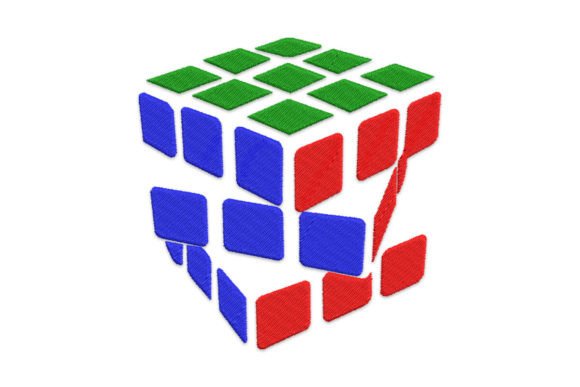
The initial mood of the Rubik s Cube design is playful yet structured. It captures the essence of the classic puzzle without feeling overly childish, which makes it surprisingly adaptable across different demographics. The color blocks are distinct, offering a vibrant pop that draws the eye. For a designer, this visual clarity is crucial. It means the design reads well from a distance, making it ideal for home decor items like pillow covers or tote bags where impact matters.
There is a certain sweetness to the geometric simplicity. It feels handmade and thoughtful, avoiding the sterile look of mass-produced prints. Whether you are aiming for a modern nursery vibe or a retro-inspired kitchen aesthetic, this embroidery file provides a touch of charm that resonates with buyers looking for something unique. It bridges the gap between a toy and a decorative element, giving it broad appeal for both baby products and adult hobbyists.
Practical Applications for Personalized Gifts
In my test runs, I explored how this design performs on various substrates. The versatility of the Rubik s Cube allows it to shine in several key product categories. Here is how I envision it working for your customers:
- Baby Embroidery: Stitched onto a soft muslin blanket or a onesie, the colorful squares add a stimulating visual element for infants. It serves as a gentle introduction to shapes and colors, making it a perfect baby shower gift.
- Kitchen and Home Decor: An embroidered towel featuring this puzzle motif adds personality to a modern kitchen. It also works beautifully on aprons, appealing to those who love cooking and puzzles alike.
- Wedding and Keepsake Items: While seemingly playful, the concept of "fitting together" can be subtly romantic. Used on a custom tote bag for a wedding party or a pillow cover for a couple’s game room, it becomes a conversation starter.
- Etsy Listings and Craft Fairs: For small business owners, this design stands out in thumbnails. It is recognizable yet fresh, helping your small shop product gain traction in crowded marketplaces.
When creating a personalized gift, the context is everything. I found that pairing this design with monograms or names enhances its value. Imagine a child’s backpack with their name arched over the cube, or a family game night tote with each member’s initial. These small touches transform a standard design into a cherished handmade product.
Navigating Fabric Textures and Technical Challenges
While the design is robust, there are areas where careful execution is required. As with any custom embroidery project, the choice of fabric and stabilizer can make or break the final result. I encountered a few challenges during the testing phase that every embroiderer should consider.
Fabric Texture and Thickness: Thick towels, such as waffle weave or heavy terry cloth, can sometimes obscure finer details. Since the Rubik s Cube relies on clear lines between color blocks, ensure your needle penetrates deeply enough without causing puckering. On textured fabrics, I recommend using a cut-away stabilizer to maintain shape integrity over time, especially for items like pillow covers that undergo frequent handling.
Stretchy Materials: When applying this design to stretchy baby clothes or knit fabrics, stability is key. The geometric nature of the cube means that any distortion in the fabric will be visibly apparent in the stitching. Use a high-quality stabilizer and hoop firmly to prevent shifting. Always test on scrap fabric first to gauge how the material reacts to the stitch density.
Dark Fabrics and Contrast: The vibrancy of the cube depends heavily on thread color contrast. On dark fabrics, ensure you use bright, saturated threads. If the design includes white or light-colored sections, consider using a underlay stitch or a backing fabric to prevent the dark garment color from showing through. Creating printable mockups on both light and dark backgrounds can help you visualize the final outcome before committing to production.
Enhancing Perceived Value and Customer Trust
From a business perspective, the quality of your embroidery directly influences customer trust. A well-executed Rubik s Cube design signals professionalism. Clean edges, consistent tension, and accurate color registration tell the buyer that care was taken in the creation of their finished product. This attention to detail fosters an emotional connection, turning a one-time buyer into a loyal customer.
Product photography plays a significant role here. Because the design is colorful and geometric, it photographs well against neutral backgrounds. Highlight the texture of the stitches in your close-up shots. Show the design in context—on a cozy blanket, a stylish tote, or a playful nursery wall. These visuals help buyers imagine the item in their own lives, increasing engagement and conversion rates for your Etsy seller store or independent website.
Essential Technical Checks Before Production
Before you begin stitching on customer orders, there are several practical steps you must take to ensure consistency and quality. Since specific technical details like exact stitch count or file formats can vary depending on the source, always verify the specifications provided with your digital embroidery file.
- Check Hoop Size Compatibility: Confirm that the design fits within your machine’s hoop size. If resizing is necessary, do so cautiously to avoid distorting the aspect ratio of the cube.
- Review Stitch Density: High-density areas may require slower stitching speeds or lighter thread weights to prevent bulk. Check the design map in your software to identify any potential jump stitches or dense clusters.
- Test Thread Colors: Match your thread chart to the design’s intended palette. Subtle shifts in hue can change the entire look of the puzzle. Keep a record of the thread brands and numbers used for reproducibility.
- Verify Commercial Licensing: Ensure that your purchase of the commercial embroidery file includes the rights to sell finished products. This is critical for maintaining legal compliance and protecting your business.
- Inspect Small Details: After stitching a test sample, examine the corners and intersections of the cube. These areas are prone to thread breaks or loose ends. Trim carefully and secure any loose tails to ensure durability, especially for items like blanket embroidery that will be washed frequently.
In conclusion, the Rubik s Cube embroidery design is a valuable addition to any designer’s library. It offers a playful yet sophisticated option for a wide range of personalized gifts. By paying attention to fabric choices, stabilizer usage, and technical details, you can create stunning, high-quality items that delight customers and elevate your brand. Whether for a baby’s nursery, a wedding keepsake, or a fun kitchen accessory, this design proves that Embroidery continues to be a powerful medium for creative expression and commercial success.