Cat Letter D: A Designer’s Review for Branded Merch
As an embroidery designer who has spent years digitizing logos and testing files for small business clients, I approach every new machine embroidery design with a critical eye. It is not just about whether a motif looks cute on a screen; it is about how it performs on fabric, how it holds up in the wash, and most importantly, how it serves the brand identity of the business using it. Recently, I evaluated Cat Letter D, a charming piece from the Babies category, to determine its viability beyond nursery decor. While initially categorized for infants, this design holds surprising potential for boutique branding, pet-related businesses, and creative studio merchandise.
First Impressions: Balancing Charm and Professionalism
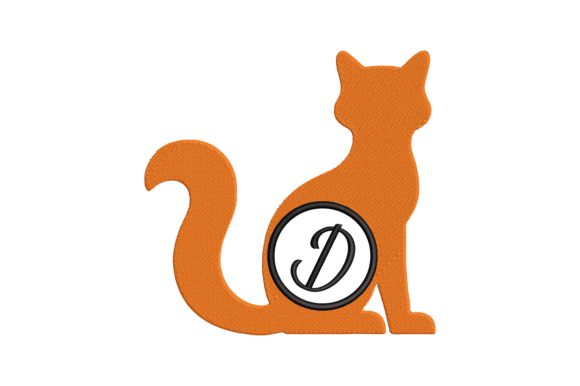
The first thing that strikes you about Cat Letter D is its inherent friendliness. The description notes its "adorable charm," and visually, it delivers a soft, approachable aesthetic. For a professional embroidery review, we must look past the initial cuteness to assess its structural integrity. Does it look handmade in a premium way, or does it risk looking amateurish? In my assessment, this design leans towards a playful yet polished look. It avoids the overly complex detailing that often causes registration issues in smaller hoops, making it a strong candidate for consistent production.
For small business owners, particularly those in the handmade product sector, the visual personality of a logo accent matters immensely. This design feels organic and warm. It is not stark or corporate, which makes it ideal for brands that want to project trust, approachability, and creativity. Whether you run a local bakery, a florist shop, or a pet grooming service, the fusion of a feline silhouette with the letter D offers a unique visual hook that can differentiate your custom apparel from generic competitors.
Real-World Applications for Small Business Merch
The true test of any digital embroidery file is its versatility. I simulated several use cases for Cat Letter D to see where it adds the most value to a product line. Here is how this design performs in real-world commercial embroidery scenarios:
- Embroidered Patches: This is perhaps the strongest application. By stitching the design onto twill or felt and cutting it out, you create a durable asset that can be ironed or sewn onto various items. It works exceptionally well as a branded patch for tote bags or denim jackets, allowing customers to display their loyalty to your brand.
- Staff Uniforms and Aprons: For cafés and boutiques, staff presentation is key. Placing Cat Letter D on the chest pocket of an apron or the sleeve of a work shirt adds a subtle touch of personality. It breaks the monotony of solid-colored uniforms without being overwhelming.
- Cap Embroidery: Curved surfaces are tricky, but this design’s relatively compact nature makes it suitable for cap fronts or side panels. It serves as a great identifier for team hats at local markets or events.
- Tote Bag Design: Canvas totes are staples for retail shops. Using this design as a central element or a corner accent elevates a simple bag into a desirable small business merch item that customers actually want to carry.
When used in these contexts, the design transitions from a simple decorative element to a functional part of your brand identity. It signals attention to detail and a commitment to quality, which directly influences customer trust and perceived product value.
Navigating Technical Challenges and Fabric Constraints
While Cat Letter D is visually appealing, there are specific technical considerations every embroiderer must address before running a production batch. The category listing mentions "Babies," which often implies soft, delicate fabrics. However, for business use, you will likely be stitching on heavier materials like canvas, denim, or polo shirts. Here is where caution is required:
Stitch Density and Fabric Texture: If the design has high stitch density, it may pucker lightweight fabrics. Conversely, on textured fabrics like terry cloth or heavy canvas, fine details might get lost. I recommend reviewing the stitch density settings in your software. If the design feels too dense, consider reducing the underlay or adjusting the pull compensation to ensure a smooth finish.
Small Patch Sizes and Legibility: When scaling down for small patches or left-chest logos, ensure the letter "D" remains legible. Intricate outlines can merge if the size is reduced too much. Always do a test stitch at the smallest intended size to confirm that the negative space between the cat shape and the letter is sufficient.
Thread Colors and Contrast: On dark uniforms, standard thread colors may not pop. You must carefully select thread colors that offer high contrast against the garment. A mockup is essential here. Do not assume the default colors in the preview will work on navy blue or black apparel. Test combinations like white or metallic gold threads to maintain visibility and elegance.
Enhancing Brand Identity Through Consistent Design Assets
In the world of Etsy selling and boutique retail, visual consistency is king. Using Cat Letter D across multiple touchpoints creates a cohesive brand experience. Imagine a customer receiving a package with a sticker featuring the same motif, wearing a tote bag with the embroidered design, and seeing it on your social media printable mockup campaigns. This repetition builds recognition.
Furthermore, this design can serve as a seasonal or limited-edition marker. For instance, a pet brand could use it for a specific "D" named campaign or as part of an alphabet series. This strategy encourages repeat purchases and engagement, turning a single embroidery file into a long-term marketing asset. It transforms a simple transaction into a branded experience, fostering a deeper connection between the maker and the buyer.
Practical Notes for the Production Floor
Before you commit to a large run of commercial embroidery, follow these practical steps to ensure quality control:
- Test in Black and White: Stitch the design out in monochrome first. This helps you evaluate the structure and balance without the distraction of color. If it looks good in black thread on white fabric, it will likely look good in any color combination.
- Check Hoop Size Compatibility: Confirm the required hoop size for the design. Ensure it fits within your standard production hoops to avoid unnecessary re-hooping time, which eats into profit margins.
- Use Proper Stabilizer: Match your stabilizer to the fabric. Cut-away stabilizer is generally safer for garments that will undergo frequent washing, ensuring the design retains its shape and does not distort over time.
- Create Client Mockups: If you are designing for a client, create a realistic printable mockup showing the design on the actual garment type. This manages expectations and reduces the likelihood of revisions after stitching.
- Verify Commercial Licensing: Always check the license terms associated with the digital embroidery file. Ensure you have the right to use it for physical goods sold in your shop. Never assume a personal-use file allows for commercial production.
In conclusion, Cat Letter D is more than just a cute motif for baby clothes. With careful technical handling and strategic placement, it becomes a versatile tool for small business branding. From embroidered patches to staff aprons, it offers a blend of professionalism and playfulness that resonates with modern consumers. By treating it as a core design asset rather than an afterthought, you can elevate your finished product and strengthen your market presence.