Little Mister: A Designer’s Review for Branded Merch
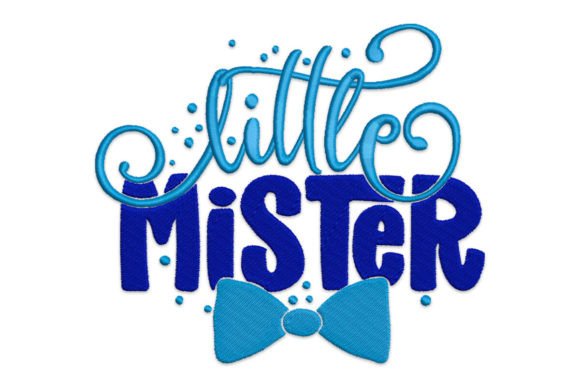
As an embroidery designer who has spent years digitizing files and consulting with small business owners, I approach every new machine embroidery design with a critical eye. It is not enough for a motif to be cute; it must be functional, scalable, and commercially viable. Recently, I reviewed the Little Mister design, a charming and whimsical representation of a young boy that exudes playfulness and innocence. For boutique owners, Etsy sellers, and apparel decorators, this piece offers unique potential, but it requires strategic placement to maximize its impact on your brand identity.
First Impressions: Balancing Whimsy with Professionalism
The immediate visual appeal of Little Mister lies in its ability to convey warmth. In the world of commercial embroidery, designs often lean too far into corporate stiffness or overly complex artistic abstraction. This design strikes a middle ground. It feels handmade and approachable, which is precisely what modern consumers look for when supporting local businesses. Whether you run a bakery, a florist shop, or a creative studio, the "innocence" mentioned in the product description translates visually as trustworthiness and care.
However, from a technical standpoint, whimsical designs can be tricky. They often rely on fine details that may get lost if the stitch density is not optimized for the intended fabric. My initial assessment suggests that this design works best when treated as a focal point rather than a background texture. It demands attention, making it ideal for chest logos on staff uniforms or as a central element on an embroidered patch.
Strategic Applications for Small Business Merchandise
When integrating Little Mister into your product line, context is everything. Here is how I envision this design performing across various small business merch categories:
- Staff Uniforms and Aprons: For cafes and boutiques, an apron embroidery featuring this character adds a personal touch. It softens the professional look of a uniform, making staff appear more approachable to customers, especially families.
- Custom Apparel for Kids: Given the product category is Boys, this is a natural fit for children’s clothing lines. It works beautifully on t-shirts, denim jackets, or hoodies. The playful nature of the design aligns perfectly with the target demographic, enhancing the perceived value of the finished product.
- Caps and Headwear: Cap embroidery requires careful consideration of curvature. If the design is too wide, it will distort on the front panel of a baseball cap. I recommend checking the width dimensions against standard cap hoops. If it fits, it makes for a standout streetwear or family-branding item.
- Tote Bags and Packaging: A tote bag design using this motif can turn a simple reusable bag into a collectible item. The contrast of a whimsical character against canvas or cotton tote material creates a high-end, artisanal feel that encourages social media sharing.
Technical Considerations for Embroidery Professionals
Before you load this digital embroidery file into your machine, there are several technical factors to address to ensure a premium result. As a designer, I always advise running a test stitch-out on the actual fabric you intend to use for production.
Fabric Texture and Stabilizer Selection
The success of any embroidery project hinges on the relationship between the thread, the fabric, and the stabilizer. Because Little Mister likely contains varied stitch types to create its whimsical features, textured fabrics like terrycloth or heavy denim may obscure finer details. For these materials, use a cut-away stabilizer to provide lasting support. For smoother fabrics like polo shirts or tote bags, a tear-away might suffice, but always test first. If the design includes small text or intricate outlines, ensure your needle size matches the thread weight to prevent puckering.
Scale and Legibility
One common mistake in custom apparel production is shrinking a detailed design too much. If you plan to use Little Mister as a small chest logo or on a pocket, verify that the essential features remain distinct. If the eyes or facial features merge into a blob of thread at smaller sizes, the design loses its charm. I recommend creating a printable mockup at actual size to evaluate legibility before committing to a full production run. If the design is too complex for a small patch, consider simplifying the color palette or increasing the overall size.
Thread Color Contrast
To make the character pop, pay close attention to thread colors. On dark uniforms, such as navy or black chef coats, you will need high-contrast threads to ensure visibility. Conversely, on light-colored baby clothes, subtle pastels might enhance the innocent aesthetic. Always digitize or select a version of the file that accounts for the background fabric color. A lack of contrast can make even the most beautiful design look muddy and unprofessional.
Enhancing Brand Identity and Customer Trust
Incorporating Little Mister into your design assets does more than decorate a product; it communicates brand values. For handmade brands and Etsy sellers, consistency is key. If your brand voice is playful, family-oriented, or community-focused, this embroidery motif reinforces that narrative. Customers subconsciously associate the quality of the embroidery with the quality of your service. A clean, well-stitched design signals professionalism and attention to detail.
Furthermore, using a consistent character across different items—such as matching patches on hats and embroidery on tote bags—creates visual consistency. This recognition builds customer loyalty. When a client sees that same whimsical boy on their receipt bag, their coffee apron, and their child’s shirt, it creates a cohesive brand experience that stands out in a crowded market.
Practical Steps Before Commercial Use
Before you begin selling items featuring this design, take these final steps to protect your business and ensure quality:
- Verify Licensing: Confirm the commercial licensing terms of the embroidery file. Ensure you have the right to sell physical products made with the design. Never assume a personal-use license covers business sales.
- Check File Formats: Ensure you have the correct file format for your specific embroidery machine. Common formats include PES, DST, and JEF. Using the wrong format can lead to sizing errors or stitch corruption.
- Inspect Hoop Size Requirements: Check the required hoop size for the design. If your machine only supports small hoops, you may need to resize or split the design, which can compromise integrity.
- Create Client Mockups: If you are doing custom work for clients, present a digital mockup alongside a physical sample. This manages expectations and reduces the risk of disputes over the final look.
In conclusion, Little Mister is a versatile and engaging addition to any embroidery designer’s library. It bridges the gap between playful aesthetics and professional application, making it suitable for a wide range of Boys apparel and branded merchandise. By paying attention to technical details like stabilizer choice, scale, and thread contrast, you can transform this whimsical design into a powerful tool for building your brand. Whether used on a cafe apron or a boutique tote, it invites connection and conveys the handmade quality that today’s consumers crave. Always prioritize testing and proper licensing to ensure your Embroidery projects remain profitable and professional.