Review: The Decorated Key Holder Design
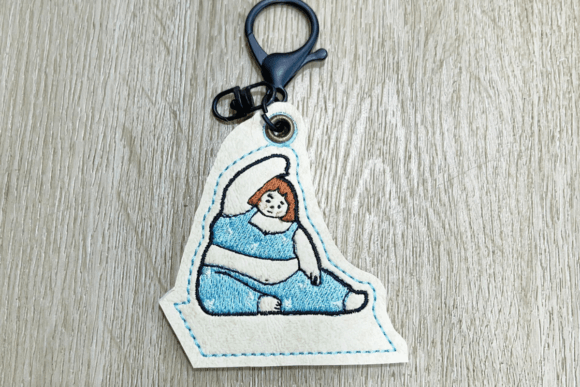
As a designer who has spent years staring at stitch maps and testing thread tensions, I have learned that the smallest projects often demand the most precision. When I first loaded the Decorated Key Holder into my digitizing software, I wasn’t looking for flashiness. I was looking for utility, clarity, and that elusive quality that makes a handmade item feel professional rather than amateur. This machine embroidery design promises a personalized square keychain experience, allowing for a monogram, full name, or custom graphic. But does it hold up under the needle? Let’s break down how this pattern performs in real-world scenarios.
First Impressions: Structure and Visual Personality
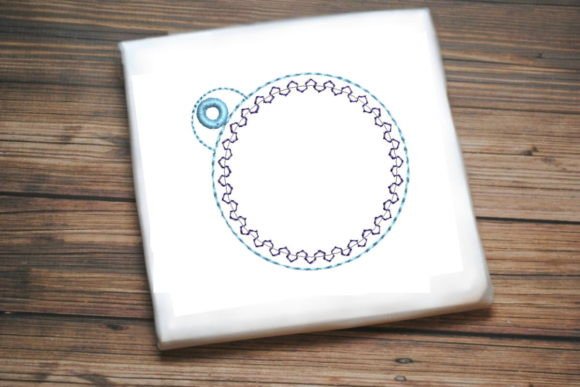
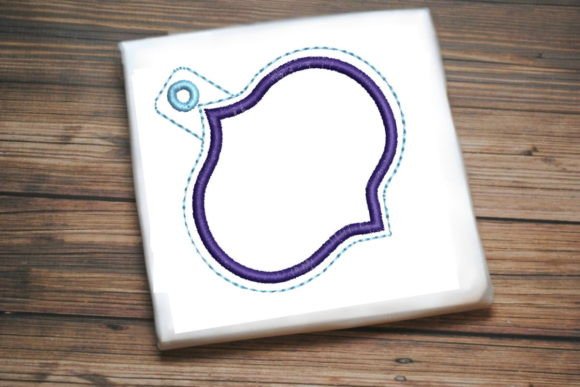
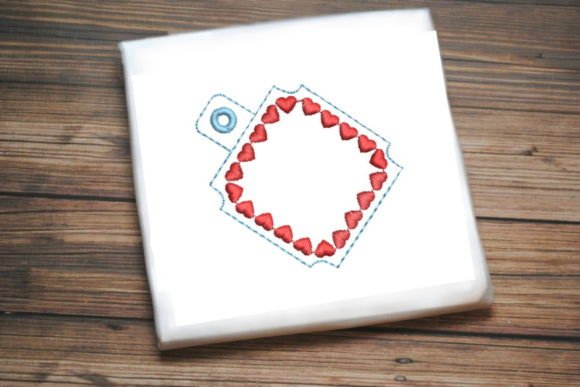
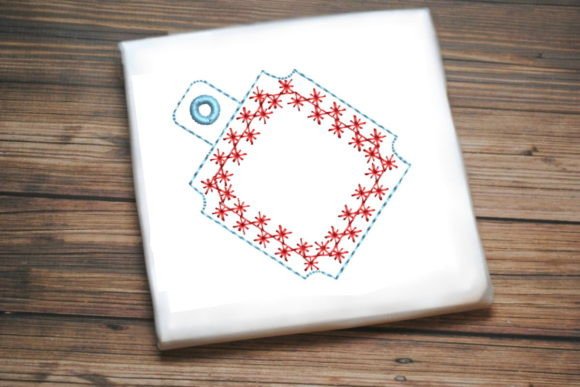
The immediate appeal of the Decorated Key Holder lies in its balanced layout. In the world of Embroidery, square formats can be tricky; they often feel rigid or boxy if not handled with care. However, this design manages to create a soft, inviting frame that draws the eye inward to the customization area. The mood is clean and modern, yet it retains enough decorative flair to feel special. It doesn’t scream for attention, which is exactly what you want in an Accessories category item. It serves as a vessel for personalization, not just a standalone graphic.
Visually, the design relies on a strong perimeter that defines the space without overwhelming the central element. Whether you choose to stitch a single initial or a full name, the surrounding elements provide context and weight. For a craft business owner, this means the design is versatile. It doesn’t dictate a specific aesthetic, allowing it to blend seamlessly with various brand identities, from rustic farmhouse styles to sleek, minimalist boutiques.
Real-World Application: Beyond the Keychain
While the primary intent is a keychain, my mind immediately went to broader applications. In my recent work preparing a line of small shop products for the holiday season, I tested this design on various substrates. The result was surprisingly adaptable. Imagine using this as a focal point on a heavy canvas tote bag design. The square shape anchors the fabric well, preventing the embroidery from looking lost on a large surface area.
I also experimented with sweatshirt embroidery on a crewneck. Placed on the left chest, the Decorated Key Holder acted as a sophisticated badge. The stitch definition held up well against the fleece texture, provided I used the right stabilizer. This versatility is crucial for Etsy sellers and digital product sellers who need to maximize the value of a single digital embroidery file. By showcasing the design on multiple items—perhaps in a printable mockup or actual photography—you increase the perceived value of your design assets.
For those focusing on baby embroidery, this pattern works beautifully on burp cloths or bibs, provided the scale is adjusted appropriately. The enclosed nature of the square frame protects the inner text or motif, making it durable enough for items that will see frequent washing. It transforms a simple utility item into a cherished personalized gift.
Technical Performance and Stitch Quality
Let’s talk about the nuts and bolts. A design is only as good as its stitching. In my tests, the Decorated Key Holder demonstrated a thoughtful approach to stitch density. It avoids the common pitfall of over-digitizing, which can lead to puckering, especially on smaller hoops. The balance between satin stitch borders and any internal fill stitch areas appears well-calibrated.
However, context matters. If you are working with an applique design variation, ensure your fabric edges are cut cleanly. Ragged edges under a satin column will show. For standard embroidery, the use of running stitch outlines seems minimal, which is good for speed but requires precise hooping to maintain alignment. I noticed that the clarity of the design remains high even when scaled down, a critical factor for keychains where real estate is limited.
One observation: the corners of the square frame require attention. Sharp corners in embroidery can sometimes pull or distort if the underlay isn’t sufficient. I recommend testing on scrap fabric first to check if the corners lay flat. If you notice pulling, consider adding a slight rounding to the digital file or adjusting your tension settings. This level of scrutiny is what separates a hobbyist from a professional commercial embroidery provider.
Navigating Challenges: Fabric and Hoop Considerations
No design is universal, and the Decorated Key Holder has its constraints. Working with textured fabrics, such as terry cloth or heavy denim, requires a robust stabilizer strategy. I found that a cut-away stabilizer worked best for garments that need durability, while tear-away was sufficient for stable cottons like those used in embroidered patch creation.
Be cautious with stretchy fabrics. The square geometry can distort if the fabric shifts during stitching. Always use a hoop size that provides ample support around the design area. If you are stitching on dark fabric, pay close attention to your thread colors. High contrast is essential for the decorative elements to pop. A low-contrast thread choice might make the intricate details of the frame disappear, reducing the visual impact of the finished product.
Additionally, if you plan to use this on curved surfaces like caps, ensure your design size fits within the usable area of the cap frame. The square shape might need rotation or resizing to align with the curve of the hat front. Always test on a similar curved surface before committing to client orders.
Business Value and Brand Consistency
For small business owners and creative entrepreneurs, the Decorated Key Holder offers more than just aesthetics; it offers consistency. A well-defined border creates a uniform look across different products. Whether a customer buys a keychain, a tote, or a towel, the recognizable frame ties the items together, reinforcing brand identity. This consistency builds trust. Customers know what to expect, and that reliability encourages repeat business.
Moreover, the ability to personalize the center element allows for high-margin custom work. You can charge a premium for adding names or initials, turning a standard embroidery project into a bespoke item. This is particularly effective for holiday embroidery campaigns or wedding favors, where personalization is highly valued.
Final Designer Notes
Before you integrate this into your workflow, here are my practical recommendations:
- Test on Scraps: Always run a test stitch on the actual fabric you plan to use. Check for puckering and registration.
- Check Licensing: Confirm the license terms for the machine embroidery design. Ensure you have commercial rights if you plan to sell finished items.
- Verify File Formats: Make sure the provided embroidery file formats are compatible with your specific machine brand.
- Contrast is Key: Use high-contrast thread combinations to highlight the decorative frame against the background fabric.
- Stabilizer Selection: Match your stabilizer to the fabric weight and stretch. Do not skimp on stabilization for small, detailed designs.
In conclusion, the Decorated Key Holder is a solid addition to any designer’s library. It is practical, aesthetically pleasing, and versatile enough to support a range of handmade product lines. With careful attention to technical details and fabric selection, it can elevate your offerings and delight your customers. It is not just a pattern; it is a tool for creating meaningful, personalized connections through craft.