Reviewing Christmas Chicken for Holiday Embroidery
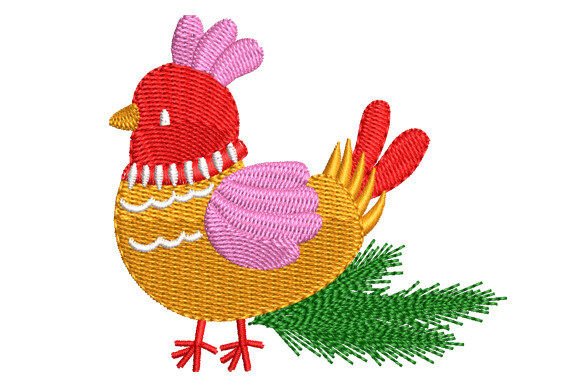
As an embroidery designer who spends the better part of autumn planning seasonal collections, I am always on the lookout for designs that break the mold while still capturing the cozy spirit of the holidays. We see countless snowflakes, generic trees, and standard Santa motifs every year. While those classics have their place, there is a growing demand for whimsical, personality-driven art that stands out in a crowded marketplace. This is where Christmas Chicken enters the conversation. After reviewing this machine embroidery design for potential inclusion in a holiday product line, I found it to be a surprisingly versatile asset for creators looking to inject humor and warmth into their finished products.
The First Impression: Whimsy Meets Tradition
When I first loaded the embroidery file into my software to inspect the stitch path, the immediate reaction was one of delight. The design strikes a perfect balance between traditional festive imagery and modern, playful aesthetics. It does not take itself too seriously, which is exactly what many contemporary buyers are seeking. The emotional tone is lighthearted and nostalgic, evoking memories of quirky family gatherings rather than stiff, formal holiday decor. For an Etsy seller or small shop owner, this distinction is crucial. Buyers are increasingly drawn to items that feel personal and unique, and a humorous yet cute motif like this serves as an excellent conversation starter.
The detail level is appropriate for general commercial use. It avoids overly complex micro-details that might get lost in production, ensuring that the final stitched result remains clear and recognizable. Whether you aim for a rustic farmhouse vibe or a bright, modern pop of color, the design adapts well. It feels festive without being overwhelming, making it suitable for a wide demographic, from young families looking for matching pajamas to adults who appreciate a touch of irony in their home decor.
Strategic Product Applications for the Season
The true value of any digital embroidery file lies in its versatility. During my review, I mapped out several practical applications for Christmas Chicken across different product categories. Here is how this design performs in real-world selling situations:
- Sweatshirt Embroidery: This is perhaps the strongest application. Placed on the left chest of a crewneck or centered on a hoodie, the design adds a festive flair without looking childish. It works exceptionally well for family matching sets, a huge trend during the holiday season.
- Kitchen Towel Embroidery: Holiday hosting is peak season for home goods. Stitching this motif on flour sack towels creates an instant handmade gift option. The simplicity of the design ensures it does not bunch up on thin cotton fabrics, provided the correct stabilizer is used.
- Tote Bag Design: Reusable shopping bags are popular for gift-giving and grocery runs in December. A bold version of this design on a canvas tote offers high visibility and durability, appealing to eco-conscious shoppers.
- Pillow Cover Accents: For home decor, placing the design on a corner of a linen pillow cover adds a subtle seasonal touch. It allows customers to decorate for Christmas without committing to permanent, all-over prints.
- Embroidered Patch Creation: If you offer accessories, turning this design into an iron-on or sew-on patch is a smart move. Patches allow customers to customize their own jackets or bags, increasing the perceived value of your small shop product.
Navigating Technical Challenges and Fabric Choices
While the aesthetic appeal is strong, any experienced embroiderer knows that technical execution determines customer satisfaction. When working with Christmas Chicken, there are specific areas where caution is required to ensure a premium finished product.
First, consider the stitch density. Depending on the specific file version you purchase, you must check if the density is suitable for stretchy garments like knit sweatshirts. If the design is too dense, it may cause puckering. Always test on a scrap piece of your actual fabric before running a full production batch. Using a cut-away stabilizer for garments that will be washed repeatedly is non-negotiable for maintaining shape and integrity.
Second, pay attention to thread colors against fabric texture. This design likely relies on contrast to define the character’s features. On dark fabrics, ensure you are using high-quality rayon or polyester threads that have enough sheen to pop. Conversely, on light fabrics, avoid using white thread for outlines unless you want a subtle, tonal look. I recommend creating a printable mockup or digital preview to show customers how the thread colors interact with different fabric bases.
Be cautious with small hoop sizes. If you are stitching on curved surfaces like caps or small ornaments, verify that the design fits comfortably within the hoop without distortion. Tiny lettering or intricate details can merge if the hoop tension is not perfectly calibrated. For items like baby onesies, ensure the back of the embroidery is soft and does not irritate sensitive skin, possibly by using a soft tear-away stabilizer or covering the back with a fusible interfacing.
Boosting Seasonal Appeal and Brand Consistency
Incorporating Christmas Chicken into your seasonal embroidery lineup can significantly impact buyer emotion and engagement. Holiday shopping is driven by impulse and emotion. A design that makes a customer smile or laugh creates an immediate emotional connection, increasing the likelihood of a purchase. It transforms a standard item into a personalized gift that feels thoughtful and fun.
For brand consistency, this design allows you to maintain a cohesive look across various products. You can use the same motif on aprons, table linens, and apparel, creating a bundled collection. Bundles increase average order value and simplify marketing efforts. When you present these items in social media previews or craft fair displays, the consistent visual theme helps build brand recognition. Customers begin to associate your shop with high-quality, charming holiday items.
Moreover, using a unique design like this helps differentiate your commercial embroidery offerings from competitors who may be using free or overused stock images. It signals to your audience that you curate your designs with care, fostering customer trust. In the fast-paced environment of holiday sales, standing out visually is half the battle.
Practical Designer Notes for Implementation
Before you begin stitching your inventory, keep these final tips in mind to ensure professional results:
- Check File Specifications: Always verify the available formats and hoop sizes included in the digital embroidery file package. Ensure your machine can read the specific format you intend to use.
- Test Wash Durability: Holiday items are often gifted and then washed. Test your chosen thread and fabric combination through a wash cycle to ensure colorfastness and stability.
- License Verification: Confirm the commercial licensing terms provided with the design. Most designers allow you to sell finished physical products, but restrictions may apply to sharing the file itself.
- Mockup Realism: When listing on Etsy or your own site, use realistic photos rather than just digital renderings. Show the texture of the stitches and the drape of the fabric to give buyers confidence in the quality.
In conclusion, Christmas Chicken is more than just a cute graphic; it is a strategic tool for holiday product creation. By understanding its technical requirements and leveraging its whimsical appeal, you can create a diverse range of high-demand items. Whether you are decorating sweatshirts, kitchen towels, or tote bags, this design offers the flexibility and charm needed to succeed in the competitive holiday market. Embrace the playful spirit, mind the technical details, and watch your seasonal sales flourish.