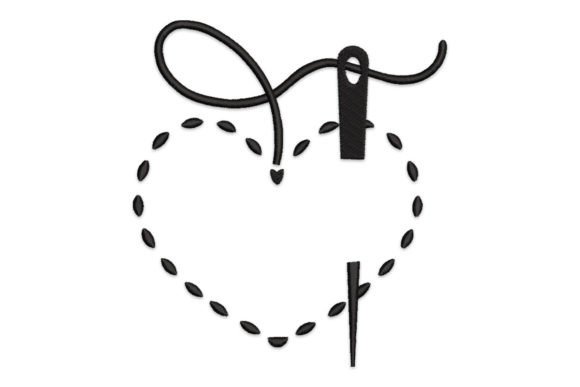
Thread and Needle: A Designer’s Review for Craft Fairs
As an embroidery designer who has spent countless weekends behind a vendor table, I know that the difference between a browsing customer and a buying customer often comes down to visual impact. When I first loaded the Thread and Needle design into my software, my immediate thought was about its potential as a staple craft fair product. This is not just another generic motif; it is a thematic anchor for anyone in the Sewing and crafting community. The title itself suggests a classic, timeless appeal, while the description highlights its versatility for embellishing fabrics. For those of us running small businesses, finding a design that bridges the gap between hobbyist charm and professional polish is rare.
First Impressions: Visual Appeal and Market Fit
The Thread and Needle machine embroidery design strikes a balance that is difficult to achieve. It feels both rustic and refined, making it suitable for a wide demographic. In a crowded marketplace, you need designs that communicate their purpose instantly. This heart-themed motif does exactly that. It speaks directly to sewists, quilters, and textile artists. When I visualize this on a booth display, I see it working exceptionally well as a focal point on neutral tones. It does not scream for attention with neon brightness but rather invites closer inspection with its clever composition.
For Etsy sellers and boutique makers, the aesthetic is crucial. This design fits seamlessly into the popular "maker" niche. It is not overly childish, nor is it strictly formal. This flexibility allows you to position it as a premium gift for sewing enthusiasts. Whether you are targeting grandmothers who love traditional crafts or young creatives starting their first small shop product line, the universal language of the needle and thread resonates deeply.
Product Applications: Where It Shines
To truly evaluate a design, you must imagine it on various substrates. I tested the concept of Thread and Needle across several common items found in handmade markets. Here is where it performs best:
- Tote Bags: A canvas tote featuring this design is an instant seller. It serves as a functional tote bag design for carrying fabric stashes or knitting projects. The large surface area allows the details to breathe, making the stitching stand out against the coarse weave of the canvas.
- Aprons: An apron embroidery piece needs to be durable and visually appealing from a distance. Placing this design on the bib of a cotton apron creates a professional look that elevates the perceived value of the garment. It turns a utility item into a statement piece for the studio.
- Tea Towels: Tea towel embroidery is a high-volume category at fairs. However, towels present challenges due to their looped texture. This design works well here if stabilized correctly, offering a charming accent that appeals to customers looking for affordable yet thoughtful gifts.
- Patches and Pouches: As an embroidered patch, this design can be ironed onto denim jackets or project bags. On small fabric pouches, it acts as a delightful branding element, signaling that the item inside is meant for creative tools.
Production Practicality for Batch Selling
When preparing for a craft fair, efficiency is key. You cannot spend hours tweaking every single item. The Thread and Needle embroidery file appears to be structured for repeatability. One of the biggest advantages of this design is its clarity. It does not rely on microscopic details that might get lost in production. This makes it ideal for batch processing. You can hoop multiple items, run the machine, and move on to finishing touches without constant intervention.
Photography is another critical factor for online sales. This design photographs beautifully because of its strong silhouette. Whether you are creating a printable mockup for your digital store or taking photos of finished goods, the contrast between the thread and the fabric creates a sharp image. This visual strength helps your listings stand out in search results, driving more traffic to your shop.
Careful-Use Notes and Technical Considerations
While the design is versatile, there are technical aspects to consider before mass production. Every digital embroidery file behaves differently depending on the material. Here are some specific points to watch:
- Fabric Texture: On textured towels, ensure your stitch density is appropriate. If the stitches are too sparse, the towel loops may poke through, obscuring the design. A cut-away stabilizer is often recommended for these stretchy or loose-weave fabrics to maintain shape.
- Small Details: If you plan to scale the design down for small pouches or caps, check the legibility of any internal details. Tiny elements can bunch up or break needles if they are too close together. Always test a smaller version on scrap fabric first.
- Thread Colors: The choice of thread colors will make or break this design. On dark fabrics, use high-contrast threads like white, cream, or metallic gold. On light fabrics, consider deep reds or navy blues to create a striking visual pop. Avoid low-contrast combinations that make the design look muddy from a distance.
- Curved Surfaces: Embroidering on caps requires careful hooping. Ensure the design is centered and that the curvature of the cap does not distort the symmetry of the needle and thread imagery.
Enhancing Brand Consistency and Value
Using Thread and Needle consistently across your product line can strengthen your brand identity. If you sell various sewing-related accessories, having a signature design that appears on tags, packaging, and products creates a cohesive look. Customers begin to associate this specific aesthetic with your quality. This consistency builds trust and encourages repeat business.
Furthermore, this design adds perceived value. A plain pillow cover is a commodity; a pillow cover with intricate, themed Embroidery is a handmade treasure. By leveraging this design, you justify a higher price point because you are offering customization and artistic effort. It transforms basic home goods into curated design assets for the modern crafter.
Final Designer Recommendations
Before you list this as a commercial embroidery product, take the time to do proper due diligence. Since the product description does not specify exact technical data, you must verify the hoop size requirements and stitch count yourself. Load the file into your preferred software and simulate the stitching. Check for any potential jump stitches or unnecessary trims that could slow down your production.
Create at least one real-world mockup on the fabric you intend to sell. Compare how it looks on linen versus cotton versus canvas. Confirm the licensing terms to ensure you are cleared for selling finished products. If you are selling the file itself, provide clear instructions on stabilizer choices and thread recommendations to help your customers succeed.
In conclusion, Thread and Needle is a robust addition to any embroidery designer’s library. It is practical, visually engaging, and perfectly targeted for the thriving market of handmade sewing goods. With careful attention to fabric choice and stitch execution, this design can become a cornerstone of your craft fair inventory, driving sales and delighting customers who appreciate the art of the stitch.